June 9, 2026
Quartz countertops have become a popular choice for kitchens and bathrooms because they offer a polished appearance, long-lasting performance, and a wide range of design options. Homeowners often choose them when they want a surface that looks refined without requiring the same level of upkeep as some natural stone materials.
Before choosing quartz countertops, it helps to think about how the surface will be used each day. Color, finish, edge style, installation needs, maintenance habits, and budget can all affect the final result. Taking time to compare these details can help you select a surface that fits your home, your routine, and your design goals.
The Basics Of The Material
What Are These Surfaces Made From?
Quartz countertops are engineered stone surfaces made from ground quartz, resin, and pigments. According to This Old House, the primary ingredient in quartz countertops is ground quartz, about 94%, combined with polyester resins to bind it and pigments to give it color. This composition creates a durable, non-porous material that works well in busy rooms where spills, moisture, and daily activity are common.
Because the slabs are manufactured, they can offer more consistent patterns and colors than many natural stone options. Some designs are subtle and modern, while others mimic the veining found in marble or the movement found in granite. This makes quartz a flexible option for many different home styles.
Natural Quartz Vs. Engineered Quartz
Natural quartz is a mineral, while engineered quartz is the finished countertop product used in homes. During manufacturing, crushed quartz is blended with binders and pigments to create slabs that are strong, attractive, and practical for everyday use.
This process allows manufacturers to create colors, patterns, and finishes that may be harder to find in natural stone. It also helps reduce some of the variation that comes with mined materials, which can be helpful when you want a cleaner or more predictable design.
Benefits Of Choosing Quartz
Quartz countertops are often chosen because they resist stains, do not need regular sealing, and hold up well under normal household use. Their non-porous surface makes cleanup easier, especially in kitchens and bathrooms where water, food, cosmetics, and cleaning products are part of daily life.
They also work well for homeowners who want a surface that balances style and practicality. With many colors, patterns, and edge options available, quartz can support anything from a traditional kitchen to a sleek contemporary bathroom.
Limitations To Keep In Mind
Although quartz is durable, it still needs proper care. Very hot pans or sudden temperature changes can damage the resin in the surface, so trivets and hot pads are recommended. Cutting boards should also be used to protect the finish and avoid unnecessary wear.
Cost is another factor to consider. Quartz may cost more than laminate, tile, or some solid surface materials, depending on the brand, color, thickness, and installation details. Reviewing all project costs ahead of time can help prevent surprises.
When comparing brands, look at available warranties, finish options, slab sizes, color consistency, and care instructions. These details can make a difference in how the countertop performs and how well it fits your home’s design.
Assessing Aesthetic Features
Color Options Available
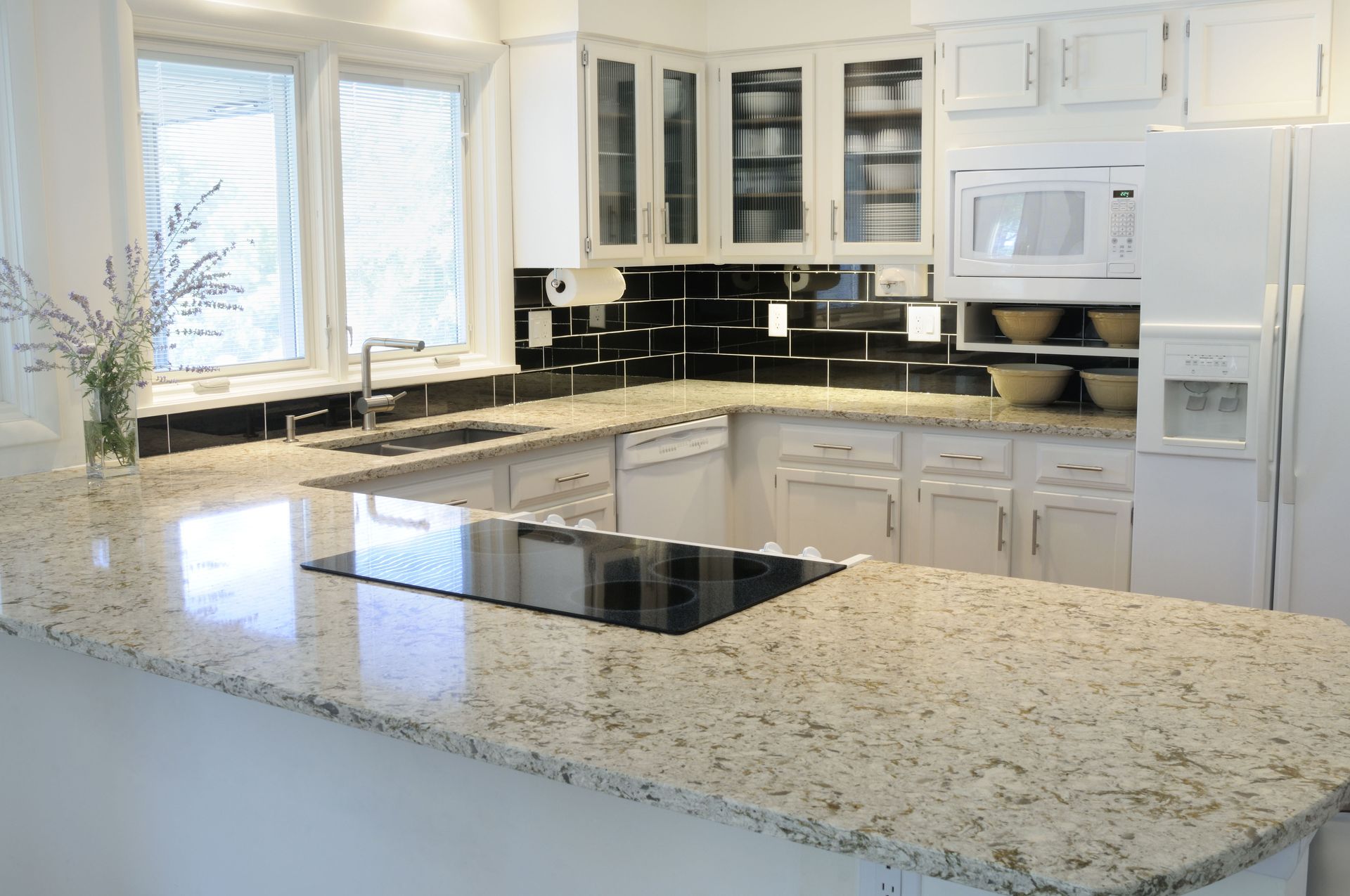
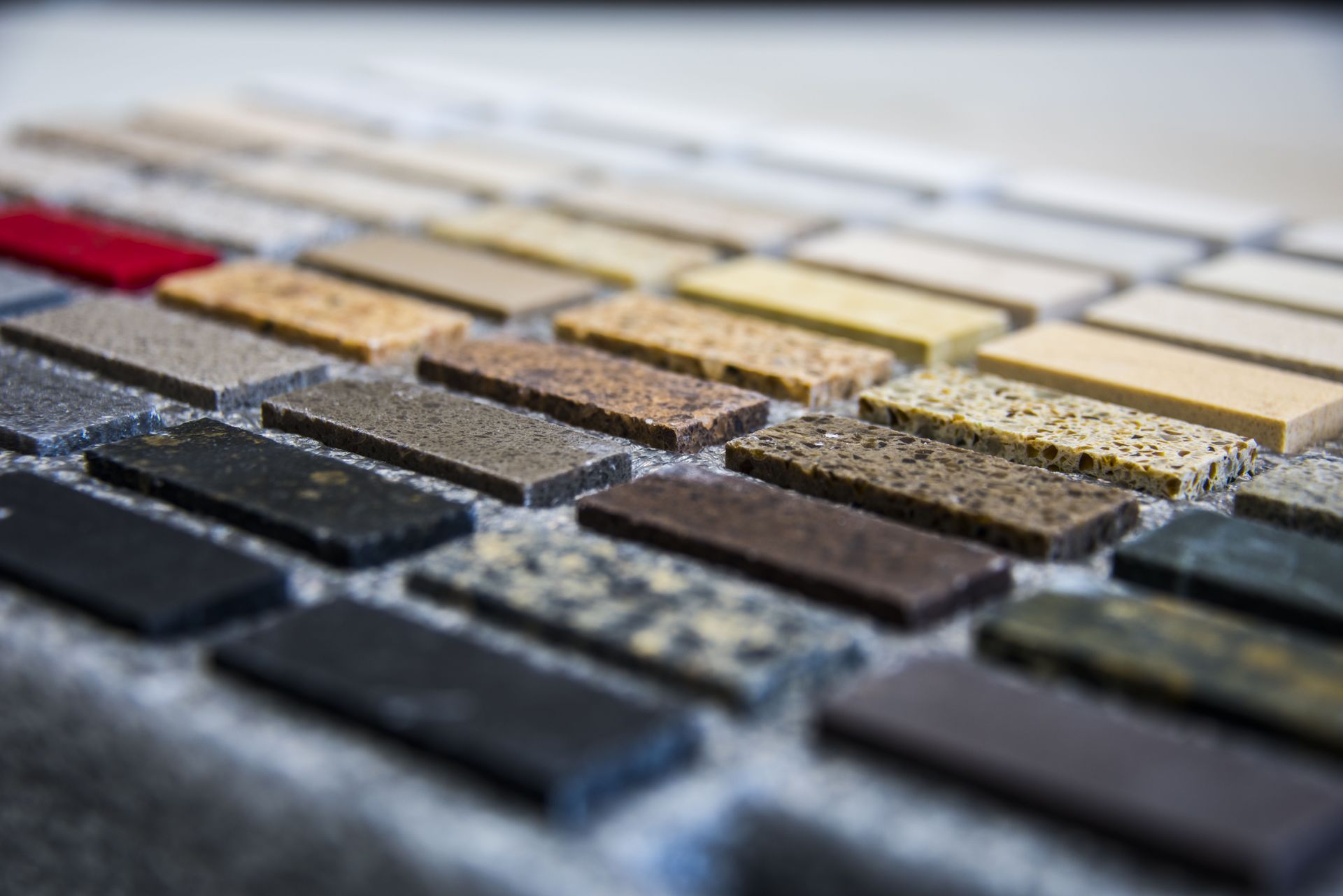
One of the biggest advantages of quartz countertops is the wide range of color options. Homeowners can choose soft whites, warm creams, cool grays, dramatic blacks, or bold tones that create a stronger design statement. Some slabs have delicate veining, while others have more visible movement.
The right color should work with your cabinets, flooring, backsplash, wall color, and lighting. Samples can look different in a showroom than they do inside your home, so it is helpful to view them in your actual space before making a final choice.
Textures And Finishes
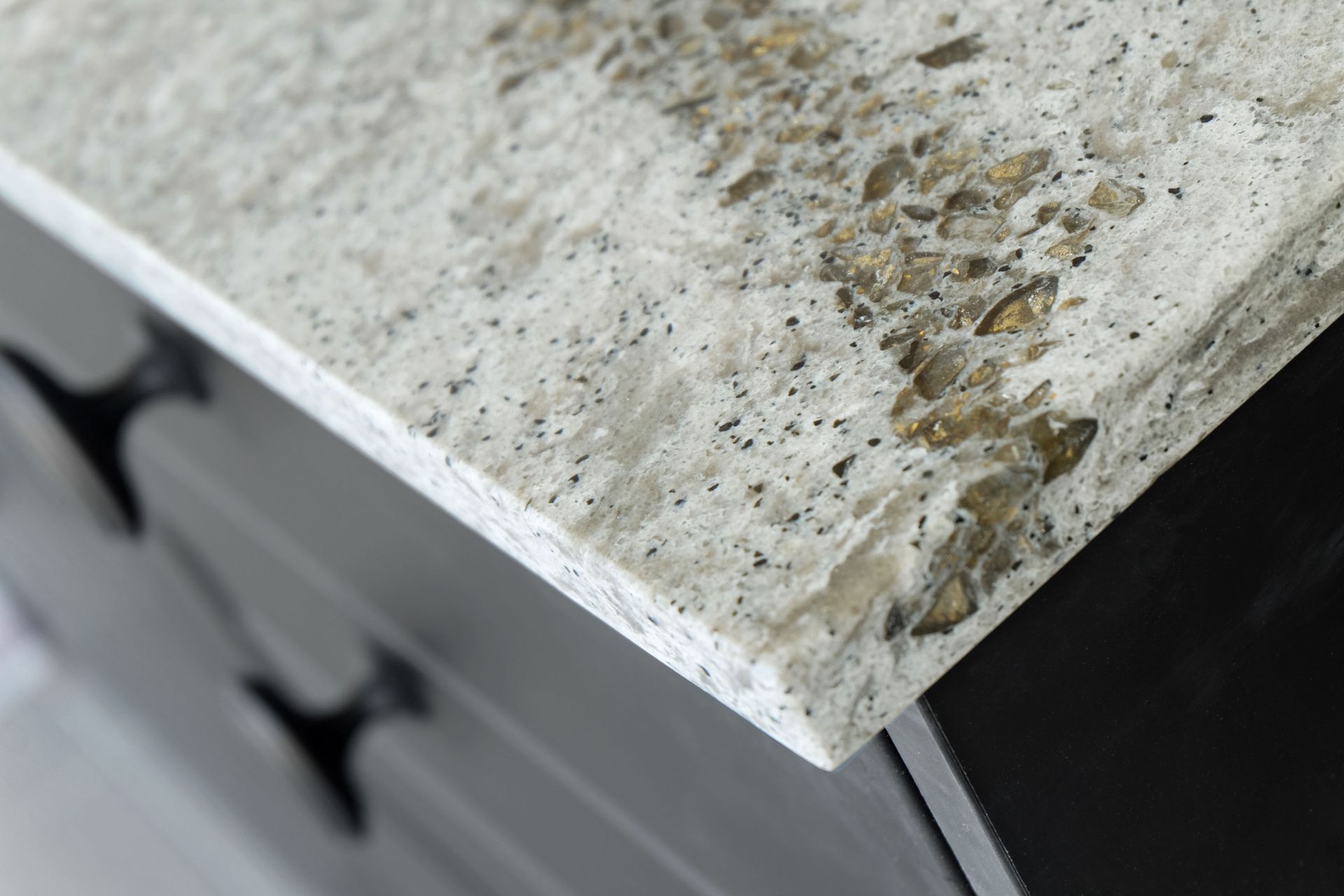
Finish has a major effect on the look and feel of your countertop. Polished quartz creates a smooth, reflective surface that can brighten a room. Matte or honed finishes offer a softer look and may pair well with modern, farmhouse, or transitional designs.
Some finishes may show fingerprints, water spots, or daily wear more than others. Thinking about how often the space is used can help you choose a finish that fits your cleaning preferences and lifestyle.
Edge Styles
The edge profile may seem like a small detail, but it can influence the finished appearance of the room. Simple eased edges work well in clean, modern spaces, while rounded or beveled edges can add a more decorative look.
Households with children may prefer softer rounded edges, while homeowners seeking a crisp design may choose square or eased profiles. The edge should complement the cabinets, room style, and overall design plan.
Compatibility With Home Design
Quartz countertops should feel connected to the rest of the room. In a traditional kitchen, warm tones and subtle veining can create a timeless look. In a modern space, a clean white, deep charcoal, or monochromatic slab may better support the design.
It is also important to think about nearby rooms, especially in open floor plans. A countertop that works with surrounding furniture, flooring, and finishes can help the home feel more cohesive.
Matching With Other Fixtures
Cabinet hardware, faucets, sinks, appliances, and light fixtures can all affect how the countertop looks once installed. A bright white quartz surface may feel crisp with matte black fixtures, while a warmer slab may pair beautifully with brushed brass or stainless steel.
Backsplash choices matter as well. Some homeowners prefer a simple backsplash that lets the countertop stand out, while others choose a patterned tile to add more visual texture. The best pairing depends on how much movement or contrast you want in the room.
Evaluating Functional Characteristics
Durability And Scratch Resistance
Quartz countertops are known for strong everyday performance, making them a practical option for active households. They resist scratches better than many softer materials, though they are not completely immune to damage from sharp tools or heavy objects.
Using cutting boards, avoiding harsh impact, and wiping up messes promptly can keep the surface looking newer for longer. These habits are simple, but they can make a meaningful difference in long-term appearance.
Heat Resistance
Quartz can tolerate moderate heat, but it should not be treated like a surface that is fully heatproof. Hot cookware, curling irons, slow cookers, and other heat-producing items can cause discoloration or damage if placed directly on the surface.
Trivets, mats, and protective pads are easy ways to reduce the risk of heat-related problems. This is especially important near ranges, ovens, coffee stations, and bathroom vanities.
Stain and Spill Resistance
The non-porous surface of quartz countertops helps resist staining from common household spills. Coffee, wine, oil, makeup, and other substances are easier to clean when they are wiped up quickly with mild soap and water.
Although quartz is stain-resistant, strong chemicals and highly pigmented products should not be left on the surface for long periods. Gentle daily cleaning is usually enough to keep the countertop looking polished and fresh.
Quartz countertops remain a strong choice for many homes, but comparing alternatives can help you feel confident about the final decision. The right surface should fit your design preferences, maintenance expectations, and long-term plans for the space. To learn more, contact Fantastic Floors and discuss your options with our team.