May 22, 2026
Countertops play a major role in how kitchens, bathrooms, and other interior spaces function and look. They are used daily for food preparation, storage, cleaning, and general household activities. Because of this constant use, the material chosen for a countertop can affect durability, maintenance needs, and overall appearance for many years.
Among the different natural stone options available, granite continues to be one of the most talked-about choices. Many property owners compare it with other surface materials when planning upgrades or new builds. Granite countertops are often considered because of their strength, appearance, and long-term performance in busy environments.
While no single material is perfect for every situation, granite countertops remain widely used in residential design. Many people also seek professional help when deciding whether granite is the right fit for their space, especially when balancing design goals with long-term use expectations. Understanding how granite performs in real home conditions can help make the decision process clearer.
Considering Countertop Durability Needs
Durability is one of the most important factors when choosing a countertop material. Surfaces in kitchens and bathrooms are exposed to heat, moisture, heavy objects, and frequent cleaning. Granite countertops are often chosen because they handle daily use well. The natural stone structure makes them resistant to common surface wear that can appear over time in softer materials.
Many homeowners compare granite countertops with other options when looking for a surface that can handle long-term activity. The goal is often to find a material that remains stable even with repeated use. Seeking professional help during selection can help clarify how different materials perform under real household conditions. This is especially useful when durability is a top priority.
Evaluating Natural Stone Performance
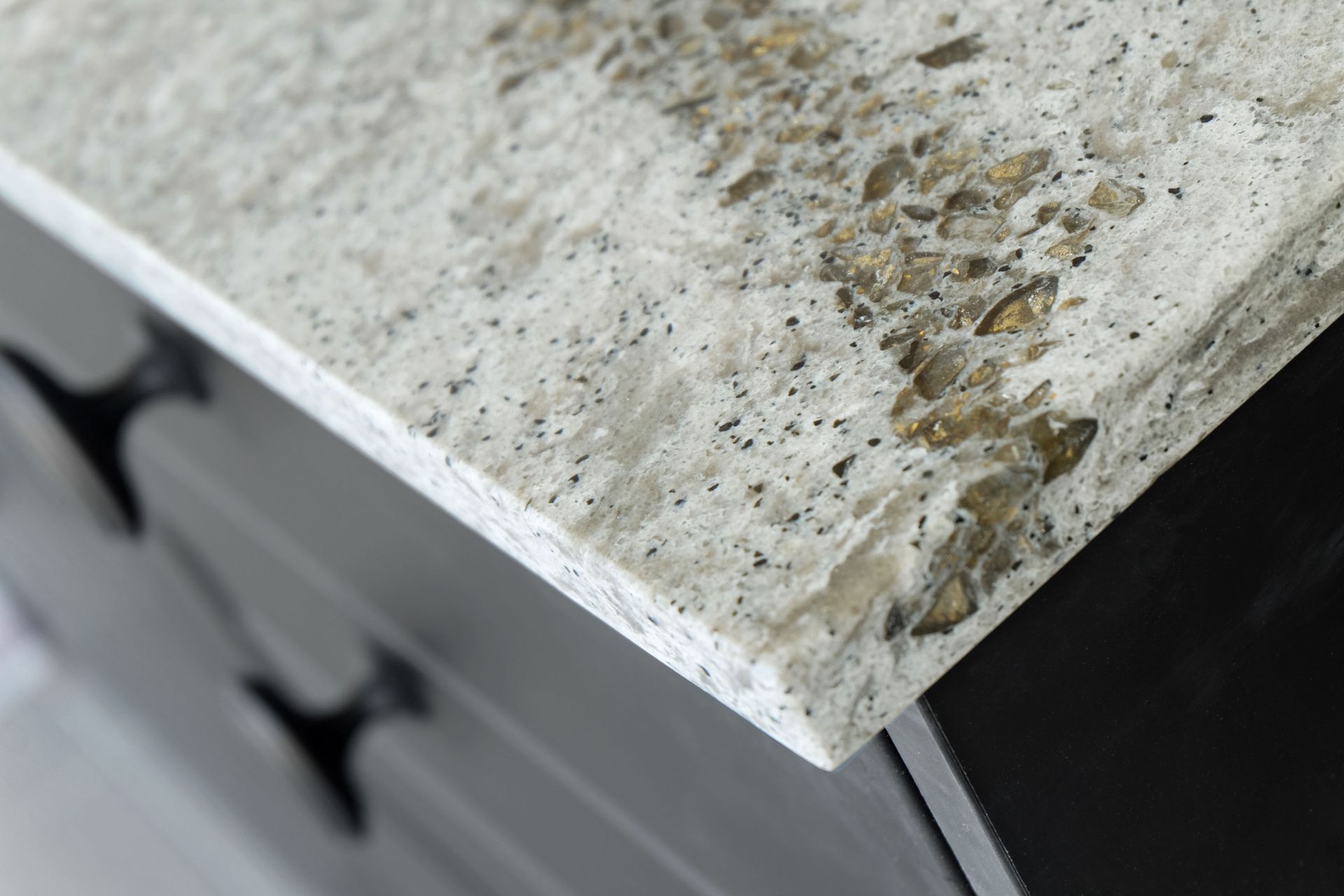
Natural stone materials vary in how they perform in residential spaces. Some are softer and may show wear more quickly, while others offer stronger resistance to daily use. Granite countertops are often evaluated for their balance of strength and visual appeal. Each slab has unique patterns and textures, which can add character to interior spaces while still offering functional benefits.
Many property owners consider granite countertops when they want a natural material that also supports long-term performance. The combination of appearance and strength makes it a frequent choice in kitchen design. Professional input can help identify which stone type fits best with the intended use of the space and expected level of activity.
Assessing Heat and Scratch Resistance
Heat and scratch resistance are important considerations for any countertop surface. Kitchens often involve hot cookware, sharp tools, and constant movement of items across surfaces. Granite countertops are known for handling heat exposure better than many alternative materials. This makes them suitable for areas where cooking and preparation activities happen frequently.
Scratch resistance is another factor that influences long-term appearance. While no surface is completely immune to wear, granite countertops generally hold up well under normal household use. Many people seek professional help when comparing surface resistance levels, especially when choosing materials for high-use areas.
Understanding Maintenance Expectations
Maintenance requirements can influence long-term satisfaction with a countertop material. Some surfaces require frequent care, while others need only basic cleaning. Granite countertops typically require regular cleaning with simple products to maintain their appearance. Proper care helps preserve their natural look over time.
Some homeowners consider granite countertops because they want a surface that does not require complex upkeep routines. This can be especially helpful in busy households. Seeking professional help can provide clarity on proper maintenance expectations before installation, helping avoid confusion later.
Comparing Design and Style Options
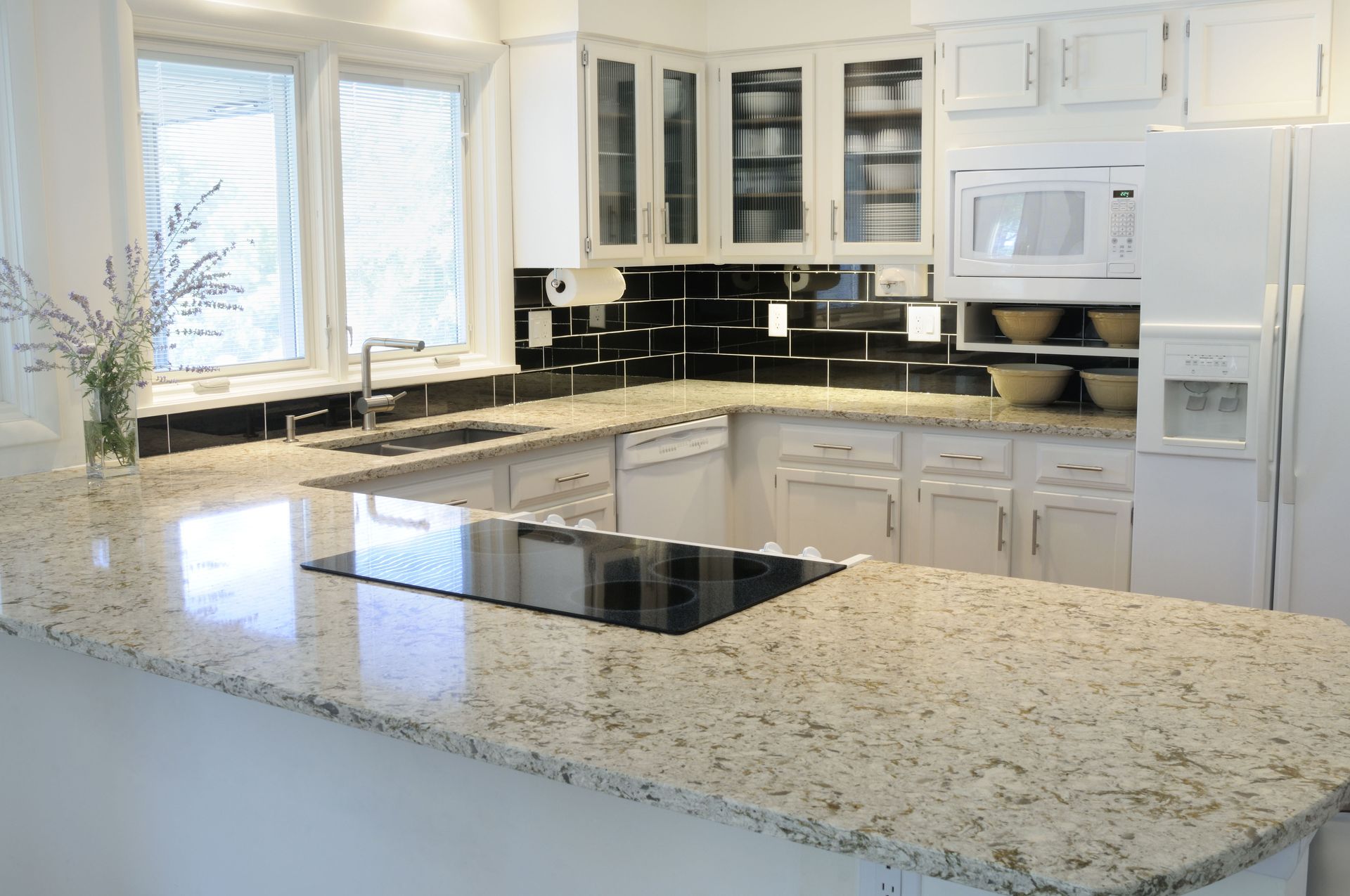
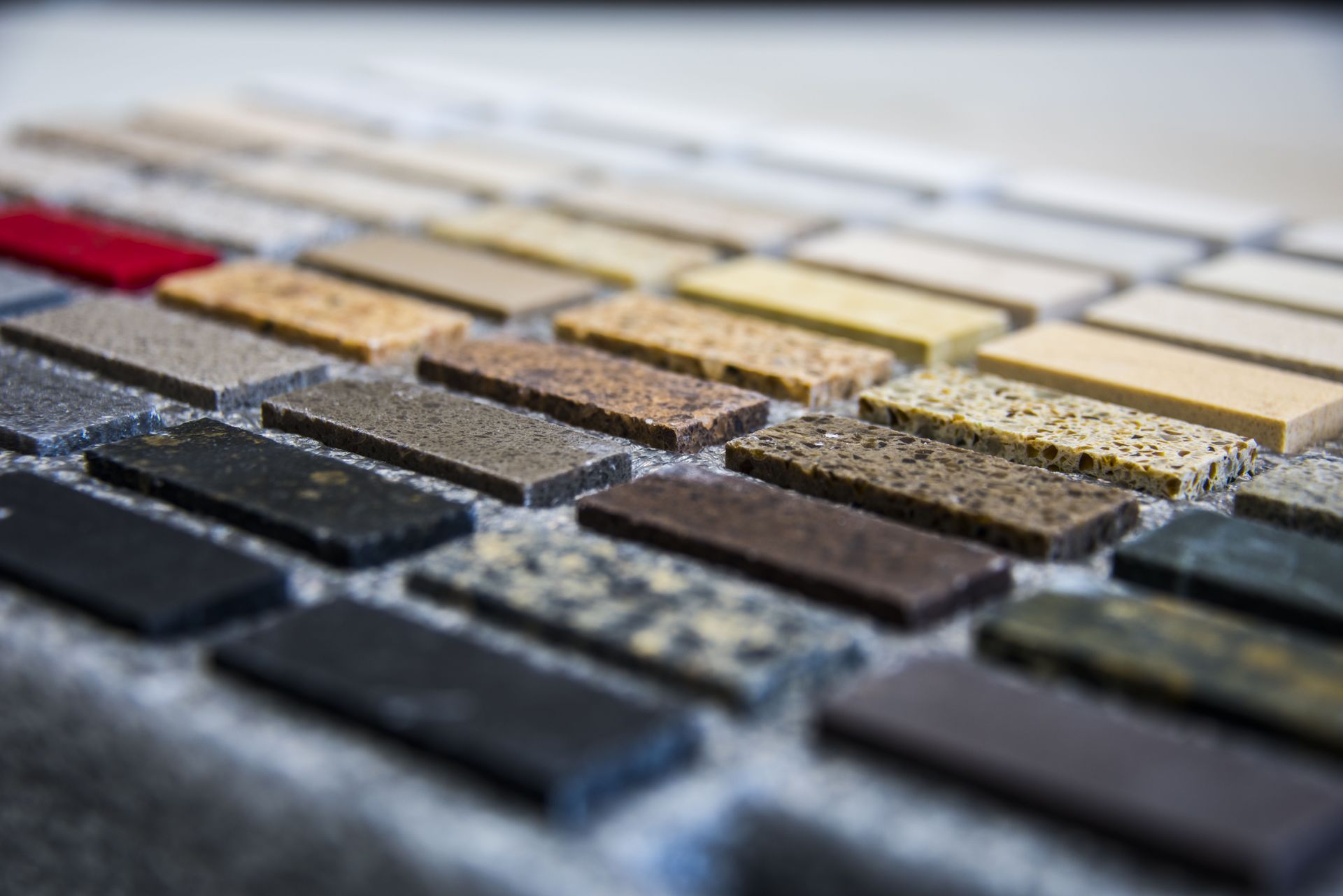
Appearance is another major factor in countertop selection. The visual style of a surface can influence the overall feel of a kitchen or bathroom. Granite countertops offer a wide range of natural patterns and color variations. No two slabs look the same, which allows for unique design outcomes.
Many property owners choose granite countertops when they want a natural and visually distinct surface that still fits a variety of interior styles. Design selection often involves balancing color, pattern, and room lighting. Professional input can help narrow down choices that match the overall design plan.
Reviewing Cost and Long-Term Value
Cost is an important part of any renovation decision. While initial investment varies depending on material type and project size, long-term value is often considered as well.
Granite countertops are frequently viewed as a long-term investment because of their durability and lifespan potential. This can make them appealing to property owners who plan to stay in their homes for many years.
Granite countertops may also contribute to perceived property value due to their natural appearance and strong performance characteristics. Seeking professional help can assist in comparing short-term costs with long-term benefits when evaluating countertop materials.
Learning Installation Importance
Installation quality plays a major role in how well any countertop performs over time. Even high-quality materials can underperform if not installed correctly. Granite countertops require careful handling due to their weight and natural structure. Proper placement helps support stability and reduces the risk of future issues.
Many property owners rely on professional assistance during installation to help achieve consistent alignment and secure placement. Correct installation can influence both appearance and durability, making it an important part of the overall process.
Exploring Hygiene and Surface Safety
Cleanliness is an important consideration in kitchen and bathroom environments. Countertops are often exposed to food preparation, spills, and daily contact. Granite countertops provide a solid surface that can be cleaned regularly to maintain a sanitary environment. Proper care helps keep the surface suitable for everyday use.
Many homeowners consider granite countertops when looking for materials that support both function and cleanliness. Seeking professional help can provide guidance on proper cleaning methods that help maintain surface condition over time.
Examining Lifespan Expectations
Lifespan is one of the most important factors when selecting countertop materials. A longer-lasting surface can reduce the need for replacement and support long-term planning. Granite countertops are often associated with extended durability when properly maintained. Their natural strength allows them to remain functional for many years.
According to Forbes, granite countertops can last for 100 years or more. This long lifespan is one reason granite countertops continue to be widely considered in both new construction and renovation projects. Many property owners seek professional help when evaluating how long different materials may last under regular household use.
Understanding Long-Term Performance Factors
Long-term performance depends on material quality, installation, and care. Countertops are used daily, so small differences in performance can become more noticeable over time. Granite countertops generally perform well under consistent use conditions when properly maintained. Their resistance to heat and wear supports long-term stability.
Many people compare granite countertops with other materials when planning for long-term household needs. Seeking professional help can improve understanding of how each material performs over time in real environments.
Evaluating Resistance To Daily Wear
Daily wear includes repeated contact with objects, cleaning routines, and exposure to moisture. Over time, these factors can affect surface appearance. Granite countertops are often selected because they handle everyday use without showing rapid signs of damage.
This makes granite countertops a common choice for busy kitchens where surfaces are used frequently throughout the day. Professional input can help determine whether a material fits the expected level of daily activity in a home.
Granite continues to be a widely considered material for countertops because of its durability, natural appearance, and long-term performance potential. It offers strong resistance to heat and wear while also providing a unique visual character in each installation. Granite countertops are often chosen by property owners who want a balance of strength and design flexibility in high-use areas. With proper selection and care, they can remain functional and visually appealing for many years.
Seeking professional help can make it easier to evaluate whether granite fits a specific space and design plan. For homeowners considering installing granite countertops, Fantastic Floors provides support in selecting materials that align with both style and long-term use goals.