February 26, 2026
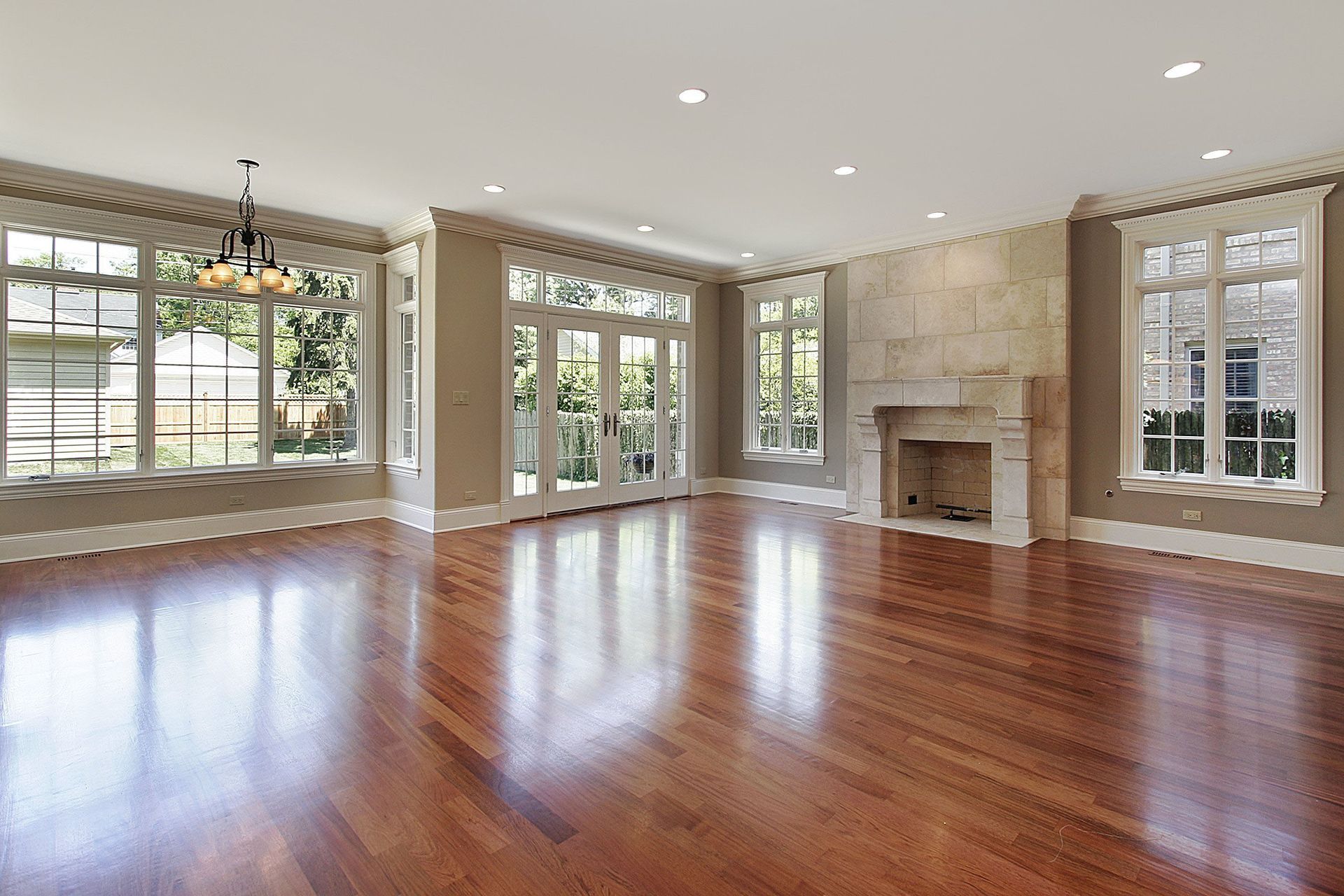
Hardwood flooring is valued for its elegance and durability, but maintaining its quality requires consistent care. This article offers professional guidance to help preserve your floors’ appearance and performance over time. By understanding your specific hardwood type, adopting regular cleaning routines, and implementing preventive strategies, you can extend the life of your floors. Addressing common issues promptly and incorporating eco-conscious practices also contributes to the longevity and aesthetic appeal of hardwood surfaces.
Understanding Your Hardwood Floors
Hardwood comes in a variety of species, including oak, maple, cherry, and walnut, each with distinctive visual patterns and durability traits. Oak, for example, is renowned for its strength and intricate grain, making it a popular choice for high-traffic areas. Knowing the type of hardwood in your home allows for tailored care routines that preserve both appearance and longevity. The characteristics of your floor influence cleaning frequency, refinishing intervals, and susceptibility to environmental factors.
Recognizing the Finish on Your Flooring
The finish on hardwood flooring affects both its appearance and maintenance requirements. Common finishes include oil-based polyurethane, water-based polyurethane, and wax coatings, each offering different levels of protection. Oil-based finishes provide rich tones and durability, while water-based finishes dry quickly and have a lower environmental impact. Understanding your floor’s finish helps determine the appropriate cleaning products and maintenance schedule, preventing damage and prolonging the protective layer.
Differentiating Solid and Engineered Hardwood
Solid hardwood is composed of single wood planks and can be refinished multiple times over its lifespan, whereas engineered hardwood features a layered construction that offers greater stability in humid or fluctuating climates. Maintenance practices vary between the two: solid wood may need refinishing every seven to ten years, depending on wear, while engineered wood benefits from consistent cleaning and occasional refinishing. Recognizing your floor type allows for proper care strategies to be applied for optimal longevity.
Accounting for Environmental Factors
Temperature and humidity levels directly affect hardwood flooring. Wood naturally expands and contracts with changes in moisture, which can create gaps, cupping, or warping if left unmanaged. Maintaining a steady indoor climate mitigates these effects. In areas with extreme humidity, dehumidifiers or air conditioning systems help protect the floors. Routine monitoring of environmental conditions supports floor stability and helps prevent costly repairs over time.
Establishing Regular Cleaning Routines
Proper tools enhance maintenance effectiveness. Microfiber mops and cloths capture dust and debris without scratching surfaces, and pH-neutral cleaners formulated for hardwood floors help maintain the finish. Avoid abrasive pads and use soft-bristled brushes for crevices. Quality cleaning tools contribute to the long-term preservation of hardwood flooring.
Maintaining a Consistent Dusting Schedule
Frequent dusting prevents scratches and surface buildup. Dust acts as an abrasive underfoot, gradually dulling the finish. Implementing a weekly dusting routine with a microfiber mop reduces wear and extends the floor’s lifespan. High-traffic areas may require additional attention. Consistent dusting minimizes the need for more intensive cleaning methods.
Performing Proper Damp Mopping
Damp mopping with a hardwood-specific cleaner maintains cleanliness without introducing excess moisture. The mop should be only slightly damp to prevent water penetration. Regular damp mopping removes dirt and grime from the grain, keeping floors in optimal condition. Controlling moisture during cleaning is essential to maintain hardwood flooring's integrity over time.
Managing Moisture Exposure
Excess moisture can cause cupping, warping, and structural damage. Immediate cleanup of spills is crucial, and wet mopping or steam cleaning should be avoided. Humidifiers or dehumidifiers help maintain a balanced indoor climate, preventing damage from environmental fluctuations. Minimizing moisture exposure preserves the stability and appearance of hardwood floors.
Incorporating Vacuuming for Deep Cleaning
Vacuuming with a hardwood-friendly attachment reaches debris in crevices and between floorboards. Avoid rotating brushes that can scratch the surface. Regular vacuuming complements dusting and mopping, providing a thorough cleaning regimen that supports long-term floor durability.
Implementing Preventive Measures
Floor mats and rugs reduce wear in high-traffic areas. Entry mats capture dirt before it reaches hardwood, while strategically placed area rugs minimize impact from foot traffic in living spaces. Regular cleaning of these protective layers maintains their effectiveness. Protective floor coverings extend hardwood lifespan and enhance visual appeal.
Using Protective Pads on Furniture
Furniture can dent or scratch hardwood floors, but protective pads prevent such damage. Applying pads to chairs, tables, and heavy furniture feet facilitates movement without scratching the surface. Inspect and replace worn pads regularly to maintain protection. This simple measure significantly reduces the risk of cosmetic and structural damage.
Controlling Temperature and Humidity
Stabilizing the indoor climate prevents wood from expanding or contracting excessively. Humidifiers during dry seasons and dehumidifiers in humid conditions maintain a balanced environment. Monitoring temperature fluctuations supports floor stability and reduces long-term maintenance needs.
Minimizing Damage from Footwear and Objects
High heels and sharp objects can dent or scratch hardwood floors. Using area rugs or runner mats in high-traffic zones, particularly where high heels are common, adds extra protection. These measures preserve the floor’s surface without impacting daily use.
Managing Pet Impact
Pet claws and occasional accidents can harm this flooring. Regular claw trimming, prompt cleaning of accidents, and protective mats in pet areas mitigate damage. Mindful pet care allows hardwood floors to coexist with pets while maintaining quality and appearance.
Addressing Common Flooring Issues
Scratches and dents are normal with daily use. Minor surface imperfections can often be treated with gentle cleaners or commercial repair products. More severe damage may require professional sanding or refinishing to restore the surface. Prompt attention prevents further wear and maintains floor aesthetics.
Mitigating Water Damage
Water exposure can lead to cupping, warping, or stains. Immediate spill cleanup and consistent humidity management help prevent damage. Severe exposure may require professional assessment. Timely intervention preserves hardwood integrity and prevents costly replacements.
Removing Stains and Discoloration
Spills can cause lasting discoloration. Quick cleanup and gentle cleaning agents reduce risk. Stubborn marks may require professional refinishing for consistency. Preventive measures, like coasters or plant trays, help maintain a uniform appearance.
Correcting Uneven Floors and Squeaks
Uneven surfaces and squeaks often result from subfloor issues or settling. Minor adjustments and reinforcements can restore stability. Lubricating or tightening floorboards addresses squeaks, ensuring a smooth, level walking surface.
Making Repair or Replacement Decisions
Evaluating the extent of damage determines whether targeted repairs or full replacement is appropriate. Minor damage may be resolved through refinishing, while widespread issues may require professional replacement. Consulting flooring professionals helps make informed decisions that protect both investment and appearance.
Refinishing and Re-Coating
Refinishing becomes necessary when wear, scratches, or color fading are noticeable. According to This Old House, polishing floors two to four times per year maintains shine, while solid wood may benefit from refinishing every seven to ten years. Monitoring floor condition helps determine the optimal timing.
Steps in the Refinishing Process
Refinishing involves sanding the surface to reveal fresh wood, cleaning thoroughly, and applying a new finish. Oil-based and water-based options provide different aesthetic and protective qualities. Adequate drying time provides a durable finish. Following a careful process restores floor beauty and longevity.
Selecting a Finish
Finish selection affects durability, appearance, and environmental impact. Oil-based finishes provide deep color and protection, while water-based finishes dry faster and have lower VOC emissions. Consulting professional advice or manufacturer guidelines can inform the choice.
Embracing Eco-Friendly Practices
Natural cleaners, such as diluted vinegar or club soda, provide effective maintenance without harsh chemicals. These options preserve the wood’s natural oils and reduce chemical buildup, supporting a healthier indoor environment.
Choosing Sustainable Products
Eco-conscious cleaning solutions and recycled materials reduce environmental impact. Biodegradable products and certified eco-friendly items align with sustainable practices, complementing hardwood maintenance while supporting conservation efforts.
Selecting Environmentally Friendly Floor Protectors
Floor protectors made from cork, felt, or other sustainable materials protect hardwood while minimizing waste. Replacing and properly disposing of worn protectors maintains eco-friendly practices.
Maintaining hardwood flooring requires detailed attention but offers substantial rewards in longevity and visual appeal. Understanding your hardwood type, refining cleaning routines, and implementing preventive measures protect your investment. Promptly addressing common issues and adopting eco-conscious practices further enhances floor durability. For homeowners seeking durable, visually appealing flooring, Fantastic Floors provides access to high-quality materials and professional guidance.